


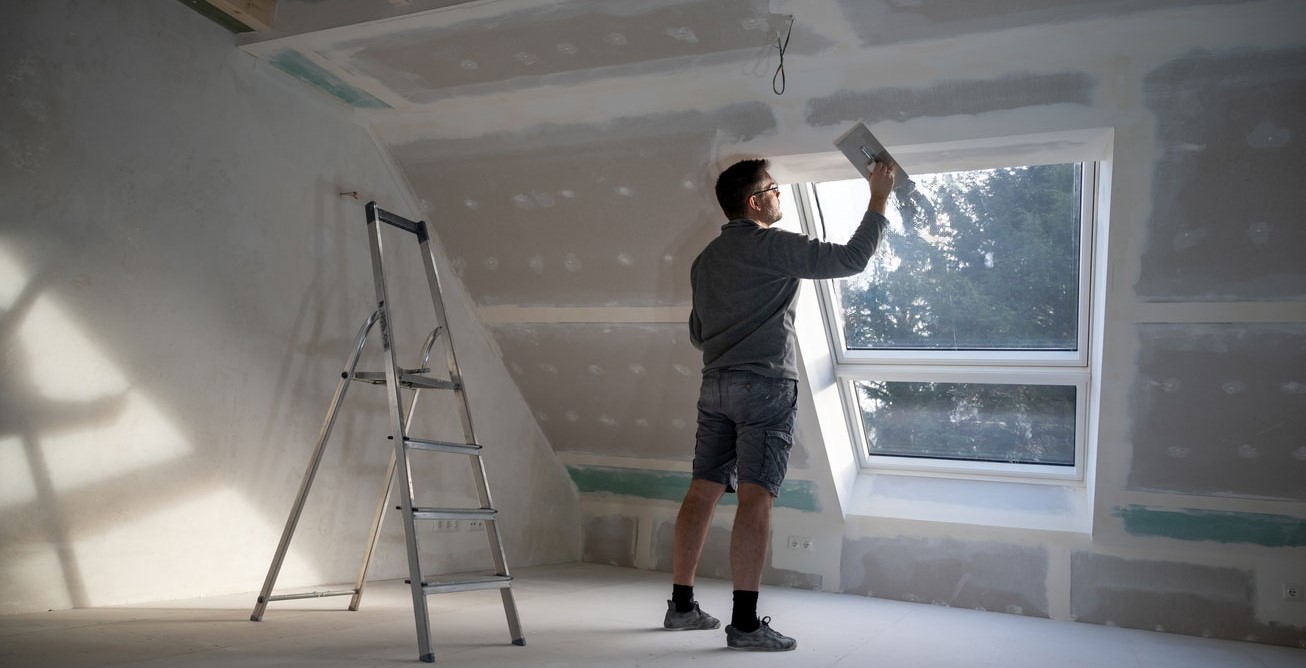
Before selling a property, a key question is: to renovate or not? A well thought-out renovation can increase the value of a property and increase the number of offers. The most important aspects of a renovation in the context of selling a property.
Advantages of a renovation
Increasing the sales price
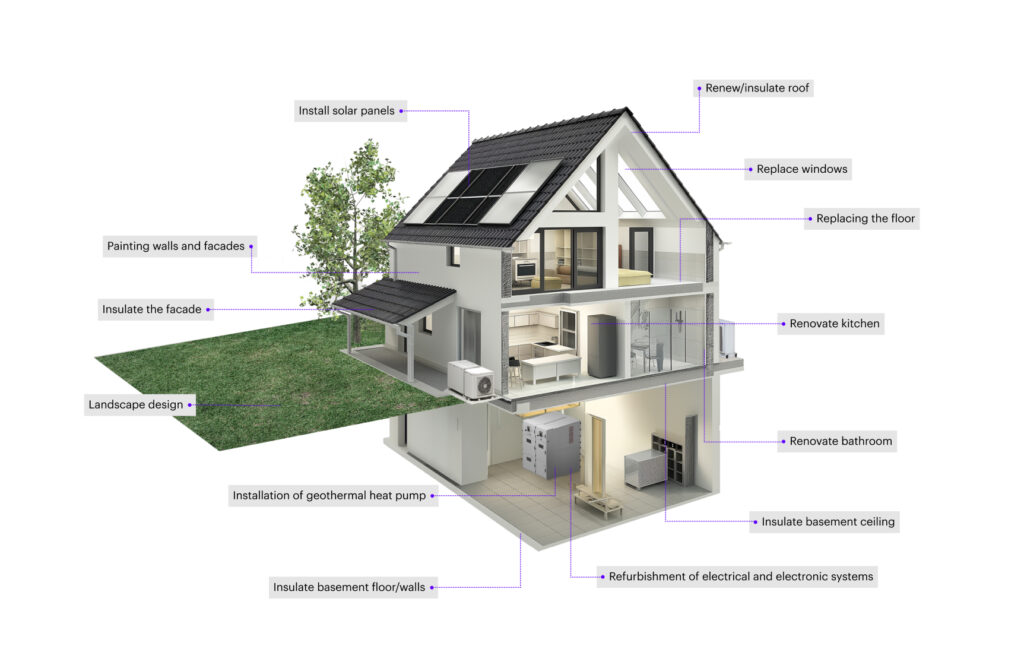
Renovations give a property a modern and well-maintained appearance, which can increase its market value. Renovations in kitchens and bathrooms are particularly value-enhancing, as these rooms are decisive for many buyers. A renovated kitchen and a modern bathroom can have a positive impact on the selling price. Energy measures such as improved insulation and modern heating systems also influence the market value. A well-insulated building and the installation of renewable heating systems not only offer comfort, but also long-term savings on operating costs.
Improved market opportunities
A freshly renovated property stands out in the real estate market. The majority of buyers prefer properties that are ready to move into immediately and do not require extensive renovation work. This can lead to more interest and higher offers, as the property makes a better first impression and is perceived as well-maintained. A renovated property can therefore be sold more quickly. It is attractive to a broader group of buyers. In times of rising energy costs, an energy-efficient renovation is a convincing argument for buyers who want to minimize future operating costs.
Total renovation vs. partial renovation
Total renovation
A total renovation involves extensive work that affects the entire building. This can be costly, but also offers considerable advantages:
- Completely new appearance: A total renovation gives the property a modern and appealing appearance that attracts buyers.
- Long-term investment: If the building is in good condition and has good market potential, a total renovation can significantly increase the value of the property.
- Systematic renovation: All renovation measures are coordinated, which increases efficiency and overall quality. One example would be the simultaneous replacement of windows and insulation of the façade in order to fully exploit energy benefits.
Partial renovation
A partial renovation focuses on specific areas of the property. This is more cost-effective and can be used in a targeted manner to increase the value:
- Targeted value enhancement: The value of the property can be increased by renovating important areas without the need for a complete renovation.
- Cost savings: A partial renovation is less expensive than a total renovation and can be carried out in stages. For example, the bathroom could be renovated first and the kitchen modernized at a later date.
- Flexibility: The renovation measures can be better adapted to the financial resources and the urgency of the work.
Value-enhancing renovation measures before sale
Energy efficiency
Investments in energy-efficient refurbishment, such as new windows, insulation or a modern heating system, reduce operating costs and are attractive to many buyers. Improving insulation and installing renewable heating systems in particular can significantly reduce energy costs. Studies show that comprehensive energy renovations, such as replacing outdated heating systems and improving façade insulation, are beneficial for both owners and buyers in the long term.
Building envelope
A well-maintained façade and a solid roof are crucial for first impressions and long-term value retention. Damage to the building envelope can deter potential buyers and should therefore be repaired before the sale.
Kitchen and bathroom
These rooms are particularly important for many buyers. Modern kitchens and bathrooms can increase the selling price. An outdated kitchen or an outmoded bathroom are often exclusion criteria for potential buyers. Investing in high-quality materials and modern designs is particularly worthwhile here.
Flooring and painting
New floor coverings and fresh paint give the property a neat appearance and make it more visually appealing. These relatively inexpensive measures can significantly improve the appearance of the property.
Tax aspects
It is advantageous from a tax perspective to spread renovation work over several years in order to reduce tax progression. A strategic approach with clear planning of the renovation measures can help to make the most of the tax benefits. Owners should check which renovations are tax-deductible and how they can stagger the work to maximize tax benefits.
When is a renovation not worthwhile?
If the estimated renovation costs exceed 70% of the value of the property, a new replacement building should be considered. Renovation work can lead to unforeseen costs that call the economic viability into question. In such cases, it may make more sense to invest in a new building that better meets current standards and requirements.
Conclusion
Deciding whether and how much to renovate before selling a property depends on many factors. A well-planned renovation can significantly increase the sales value and speed up the sales process. In particular, improving energy efficiency through better insulation and modern heating systems can be worthwhile both for the sale and for your own use of the property. It is important to plan the renovation measures carefully and keep an eye on the costs. Investments can be optimized by taking tax benefits into account. Ultimately, every decision should be made on an individual basis, taking into account the specific circumstances of the property. A well thought-out renovation is an investment in the future and can be worthwhile both for the sale and for your own use of the property.
All data are without guarantee. The information on these Internet pages has been carefully researched. Nevertheless, no liability can be assumed for the accuracy of the information provided.